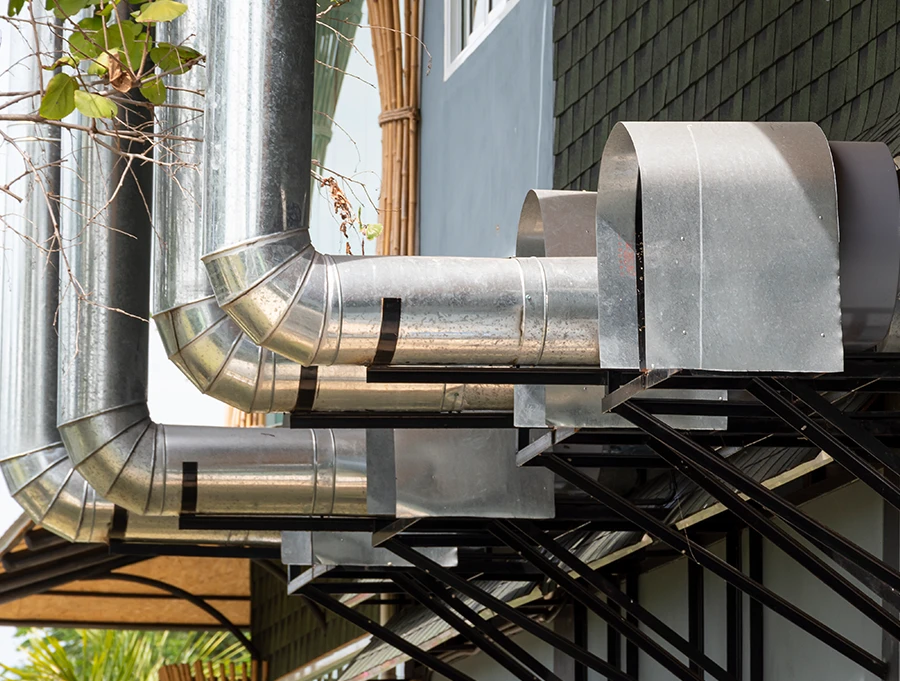
The proper installation and maintenance of exhaust systems are crucial for the functionality of any residential, commercial, or industrial building. For homeowners, business owners, and construction firms tasked with overseeing the efficiency and compliance of these systems, understanding the intricacies of installation, repair, and insulation is a necessity. This guide aims to provide you with the knowledge required to handle these tasks effectively.
The Complete Guide to Exhaust Systems: Installation, Repairs, and Insulation Coverings
Exhaust Systems Installation
The installation of an exhaust system is a complex process that involves several critical steps. Whether you’re implementing a new system or replacing an old one, it is essential to follow these guidelines for a successful installation:
Hanging Mufflers
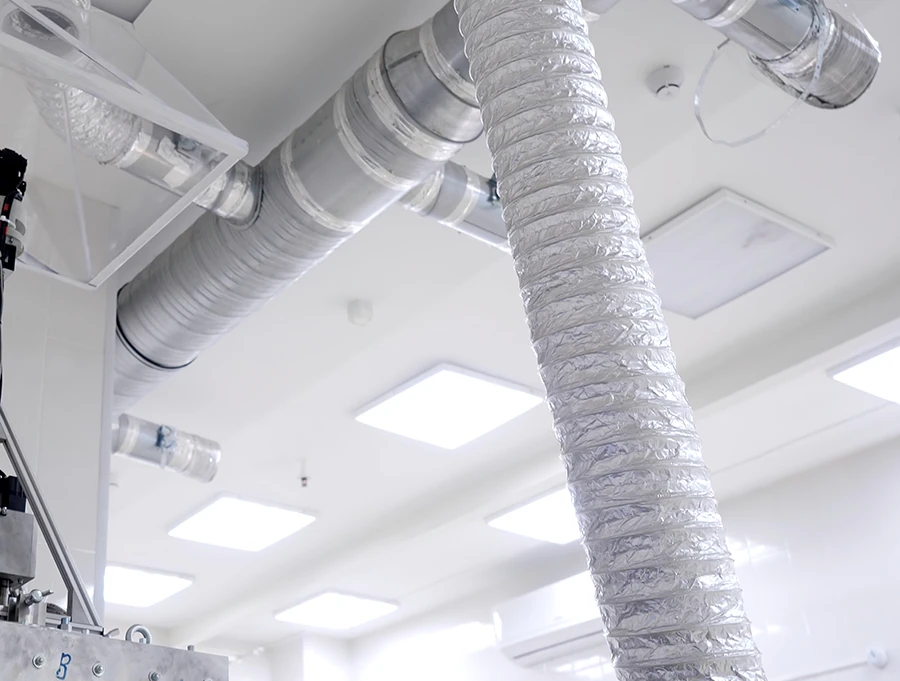
Mufflers are a critical component of exhaust systems, particularly in industrial settings where noise reduction is a priority. When installing mufflers:
- Choose the Correct Muffler Type: Ensure the muffler is appropriate for the system’s specifications, including flow rate, noise level, and space constraints.
- Secure Mounting: Use robust mounting brackets and suspension systems to handle the weight and operational vibrations of the muffler.
- Align with the Exhaust Flow: Mufflers should be positioned to facilitate a smooth exhaust flow, preventing backpressure and potential system damage.
Installing Thimbles
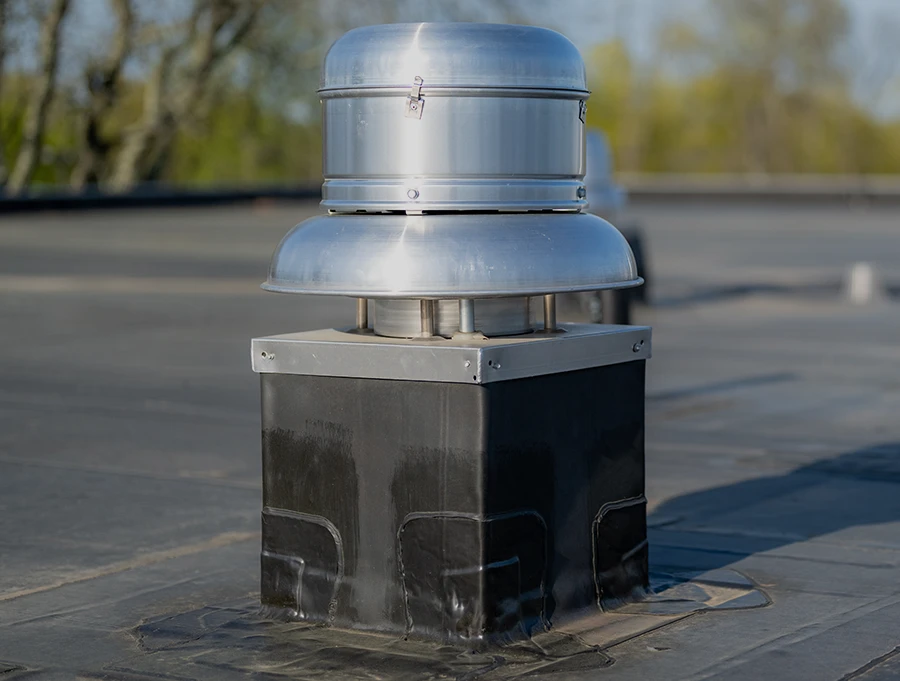
Thimbles provide a safe exit point for exhaust pipes through walls or roofs, protecting the material around them from the high temperatures:
- Proper Sizing: The thimble must fit the exhaust pipe diameter correctly to ensure a snug fixture and minimize heat transfer to surrounding structures.
- Sealing Gaps: Use high-temperature sealant around the thimble for additional safety and to prevent any exhaust leaks.
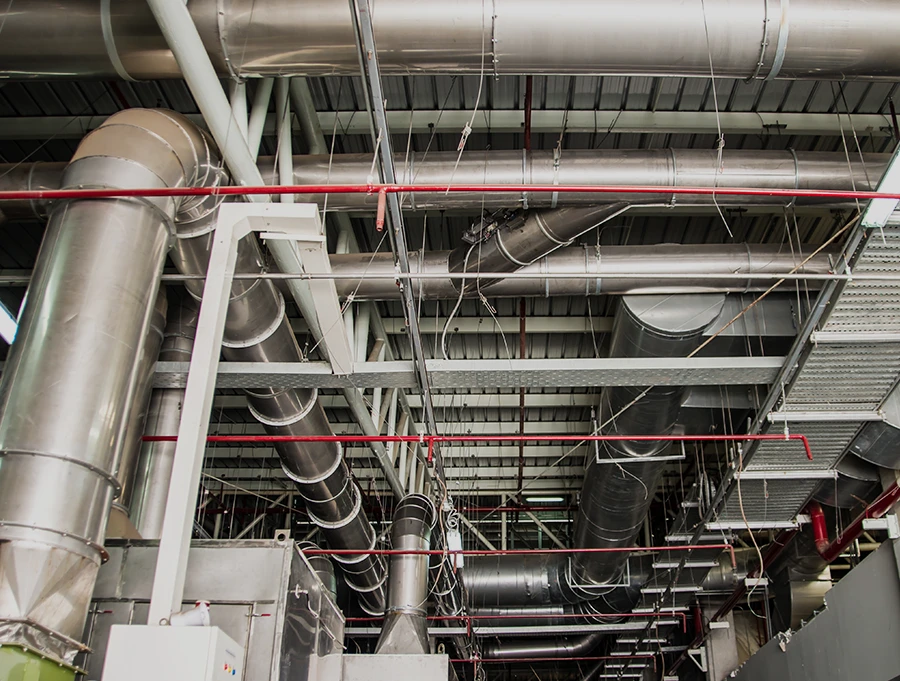
Exhaust Fabrication
At times, exhaust systems may require custom fabrication to meet the unique requirements of the structure:
- Custom Designing: Work with skilled technicians to design the system according to the building’s layout and intended use.
- Material Selection: Choose materials that can withstand extremes of temperature and corrosion.
- Welding and Assembly: Utilize experienced welders to ensure the durability and integrity of the fabricated components.
Repairs
Over time, exhaust systems can develop issues that require prompt attention. Regular checks can help identify problems early before they escalate:
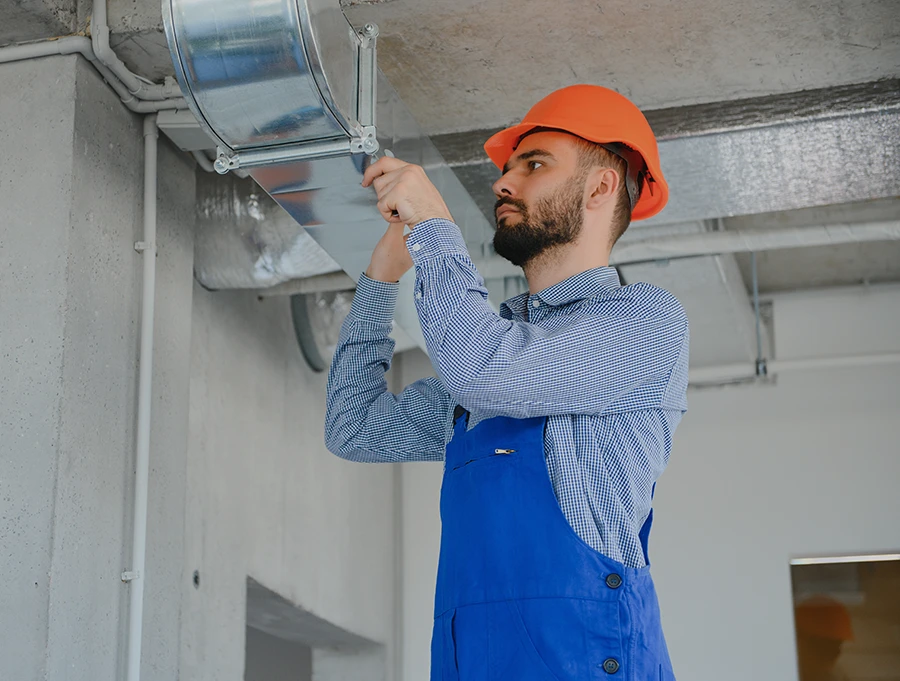
- Leak Detection: Inspect joints and connections regularly for signs of corrosion or damage that could lead to leaks.
- Component Replacement: Parts such as pipes, gaskets, or mounting brackets may need to be replaced to maintain system integrity.
- Noise Levels: An increase in noise could indicate a muffler or internal baffle issue that needs repair.
Insulation Coverings
Proper insulation of exhaust systems helps maintain temperature consistency and protect against accidental burns or fire hazards:
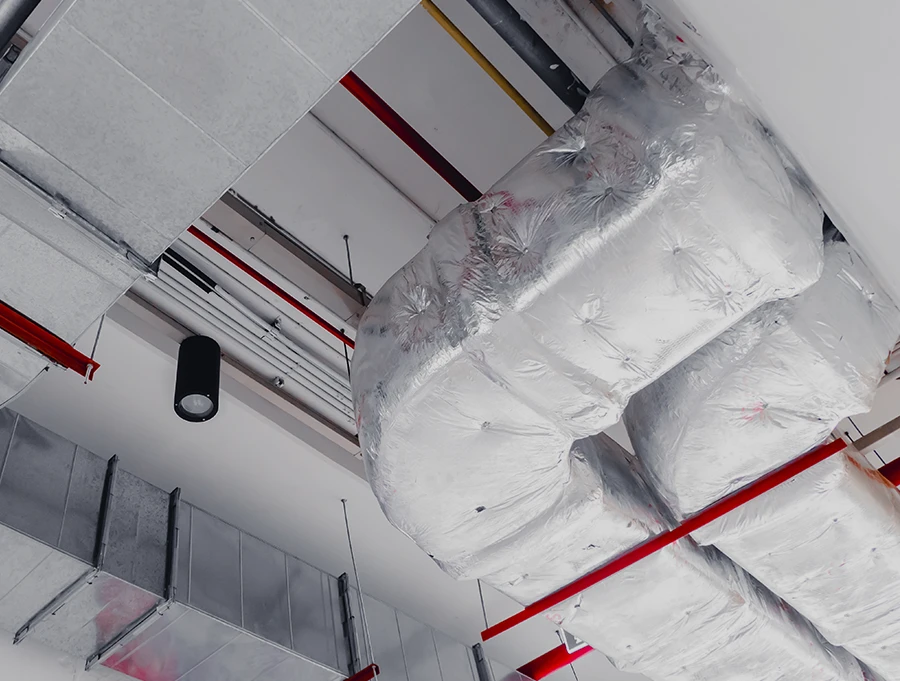
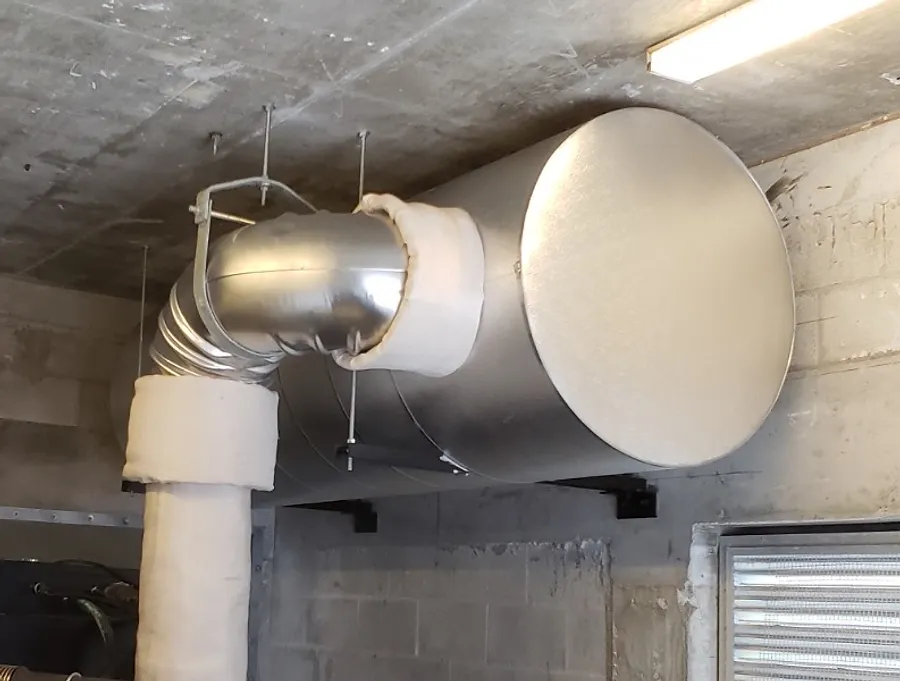
- Material Choice: Use insulating materials that are capable of withstanding high temperatures and reducing heat transfer.
- Covering Application: Ensure that the insulation is applied evenly and securely throughout the exhaust system.
- Regular Inspection: Periodically check the condition of the insulation, looking for wear or damage, and replace as necessary.
Ensuring the proper functioning of your exhaust system with well-considered installation, diligent repairs, and effective insulation coverings will contribute to a safer, more efficient building environment. Always consult with or hire experienced professionals when dealing with specialized exhaust system tasks to guarantee the work meets all safety standards and building codes. Your diligence will pay off in the longevity and reliability of your exhaust systems, securing the comfort and safety of all building occupants.